Reading a Guitar Serial Number: Fender, Gibson, Taylor, Martin, PRS and Yamaha
By Jason Williams · Published
A serial number is the closest thing an instrument has to a fingerprint. It is what police record when a guitar is stolen, what a manufacturer asks for when you make a warranty claim, and the first thing you should check before buying a second-hand instrument. The trouble is that every brand puts it somewhere different, and some change the location depending on the model and the era.
This guide covers where the major brands put their serials, what those numbers can and can't tell you, and how to use them to check a used instrument before you hand over any money. If you're after tips on keeping your gear safe at gigs and at home, see our separate guide to protecting musical instruments from theft.
Where the serial number is, brand by brand
Fender and Squier
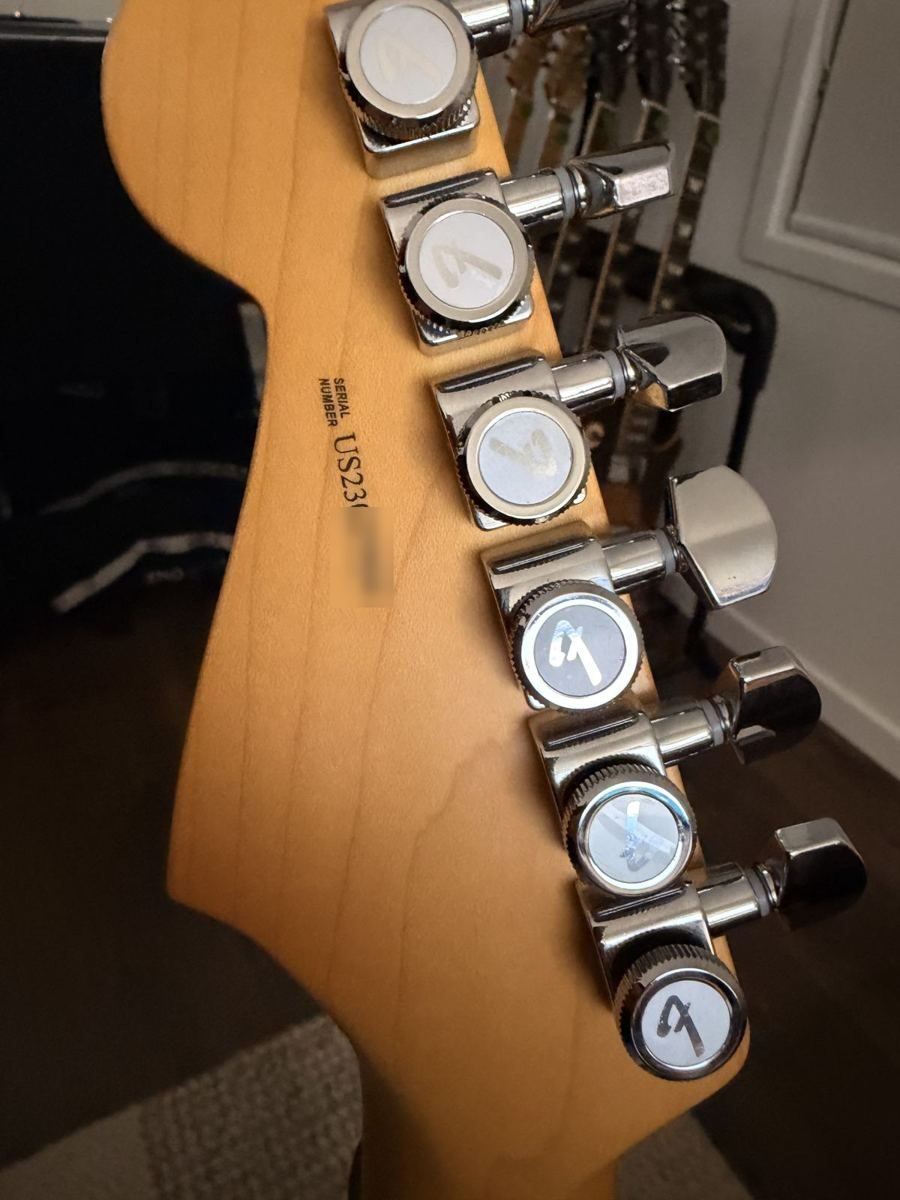
Fender says the serial number on most of its electric guitars and basses is on the back of the headstock or on the neck plate (the metal plate where the neck bolts to the body). On Fender acoustics it is usually inside the sound hole. Squier is a Fender brand and generally follows the same pattern.
Fender runs an official Serial Number Lookup at serialnumberlookup.fender.com that can return the model, description and manufacture date. Fender notes that not every serial number is in the database, and that a missing result doesn't mean the instrument isn't genuine.
Gibson and Epiphone
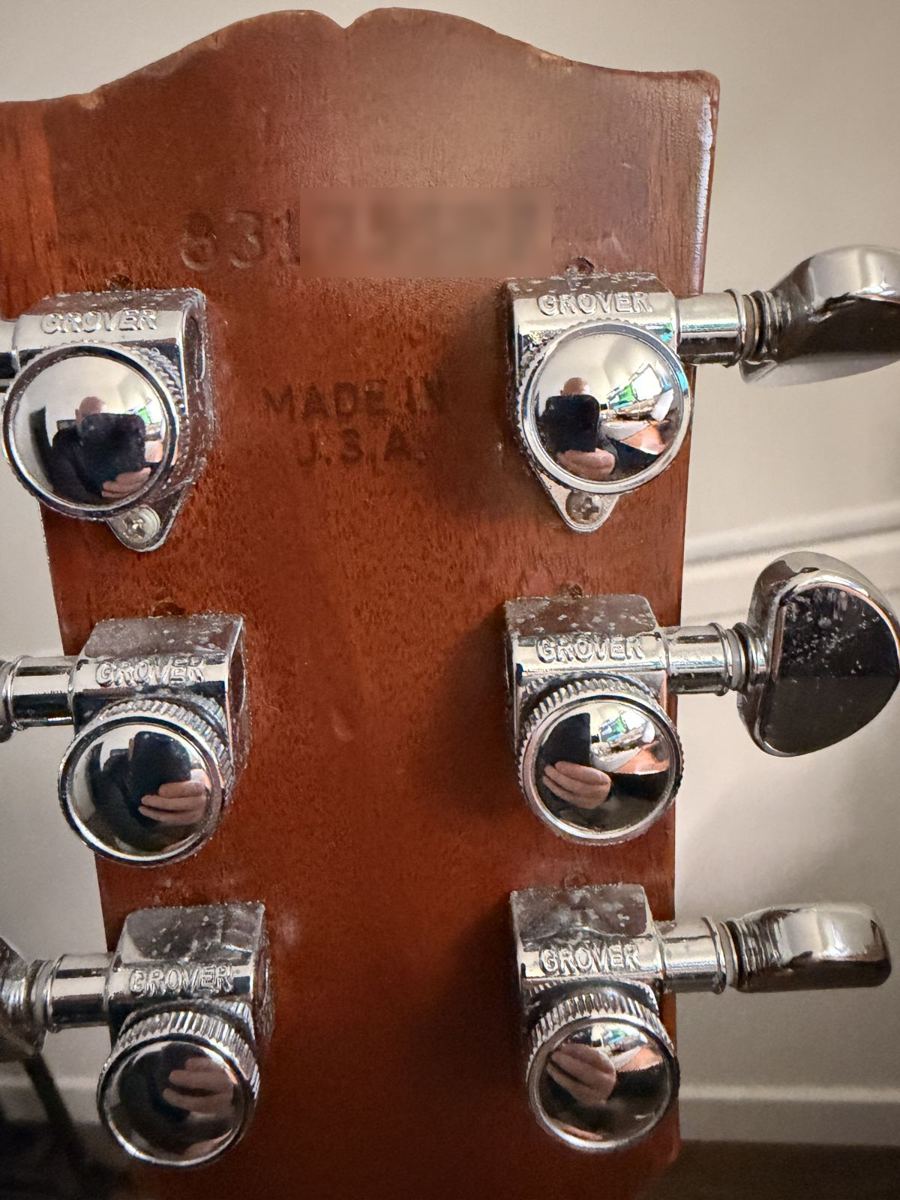
On Gibson solid-body electrics the serial is impressed into the back of the headstock, with "MADE IN USA" below it on USA models. On hollow and semi-hollow models you may also find it on a label visible through the f-hole, and on acoustics it is usually visible through the sound hole. Gibson publishes a detailed serial number guide on its support site covering Gibson, Gibson Custom and Epiphone formats. Epiphone electrics usually carry the serial on the back of the headstock; acoustics and hollow bodies often use an inside label instead.
Taylor
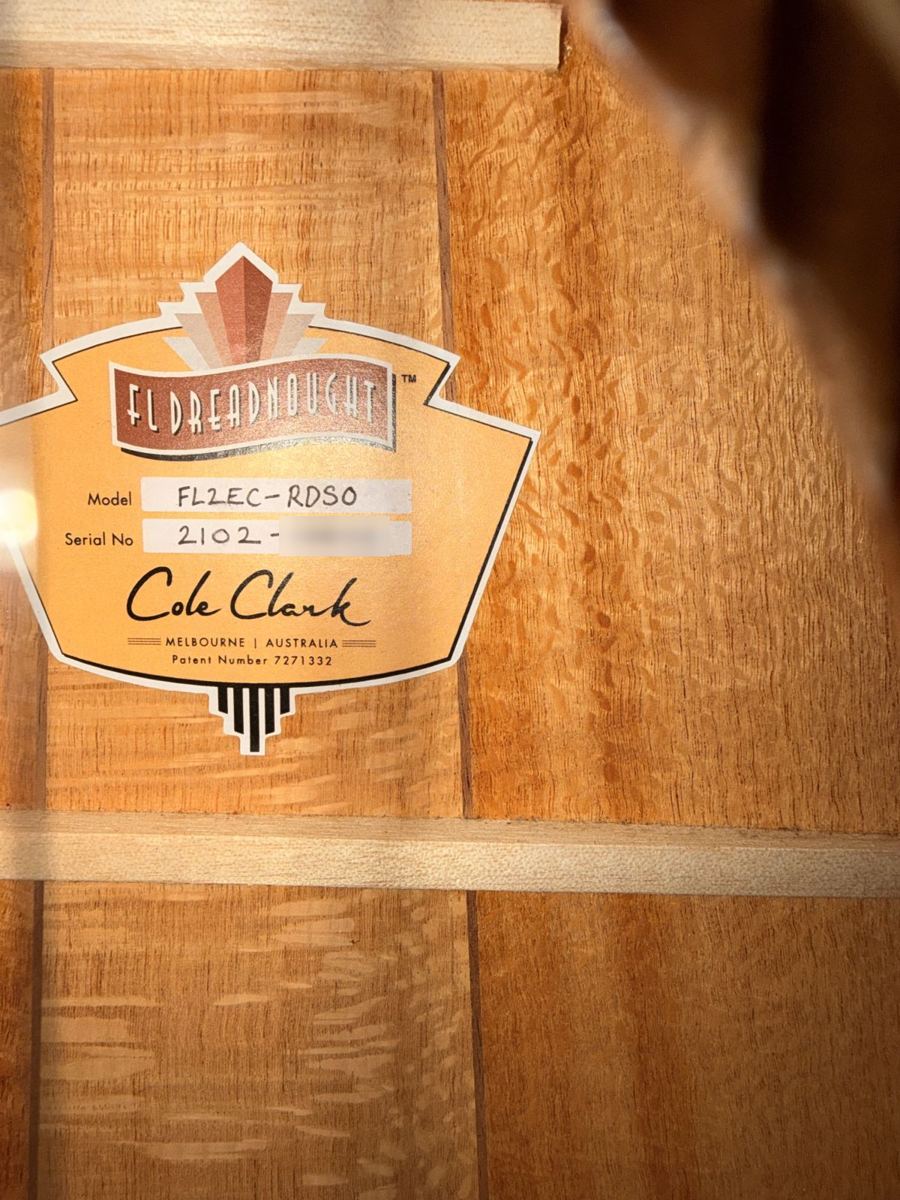
On Taylor acoustics built since 1999, the serial number is on the back label, visible through the sound hole. Earlier guitars have it on the neck heel block, which you can see by looking into the sound hole towards the neck. T5 and T3 models show it through the bass-side f-hole. Taylor's decoding page explains that its current 10-digit serials encode the factory (El Cajon in California, or Tecate in Mexico) and the date work began on the guitar.
Martin
Martin etches the model and serial number on the neck block inside the body. Look through the sound hole towards the neck to find it. The Martin website has a serial and date lookup and publishes year-by-year serial tables going back to 1898.
PRS
According to PRS, set-neck, S2 Series and SE models carry the serial on the back of the headstock, bolt-on models such as the CE have it on the neck plate, and acoustics have it on the label inside the sound hole.
Yamaha and Ibanez
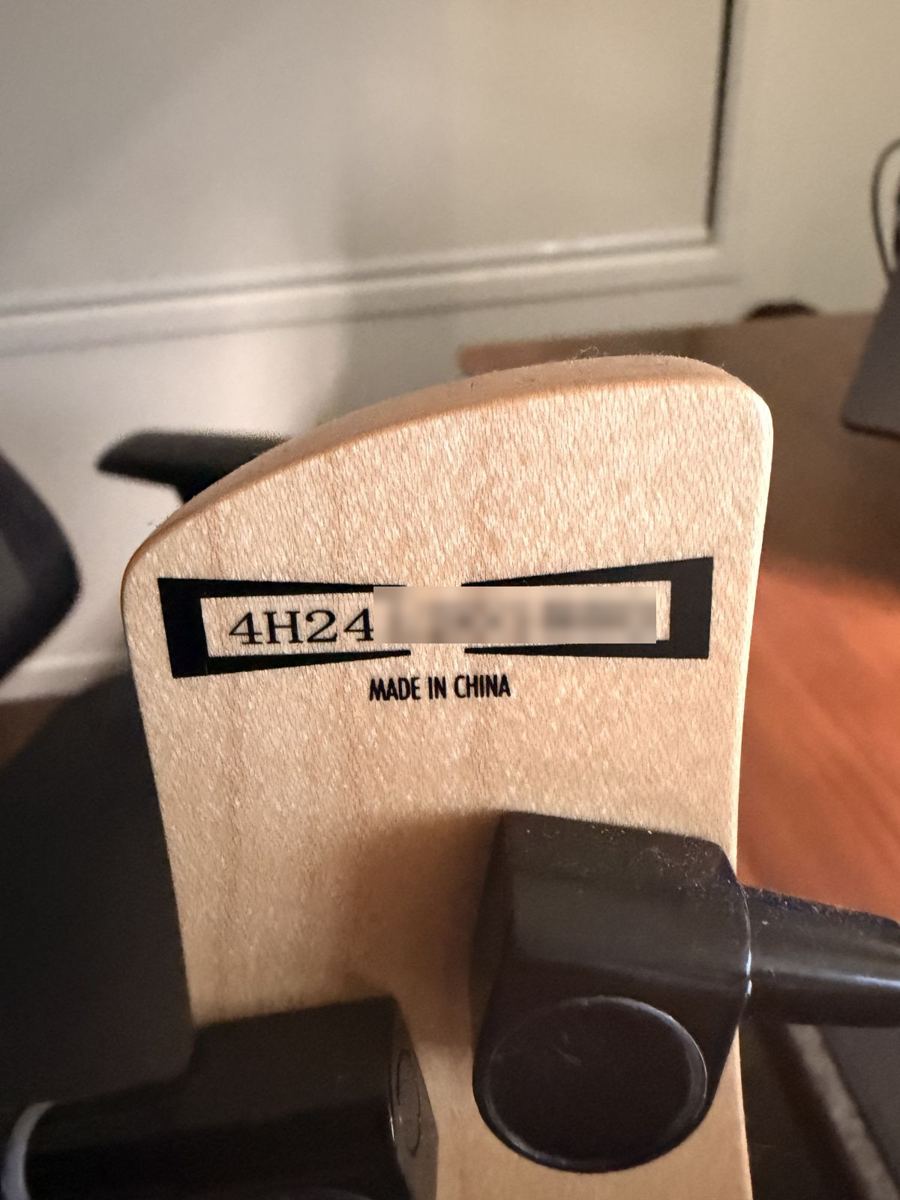
Yamaha marks acoustic and classical guitars on a label inside the sound hole or on the neck block, and electric guitars and basses on the back of the headstock. It notes the position can vary by year and product, and it publishes serial number charts for its guitars. Ibanez serials are usually on the back of the headstock or on the neck plate, but be aware that Ibanez states it doesn't manage models by serial number and doesn't disclose serial number information to the public, so dating an Ibanez by serial relies on unofficial charts.
Keyboards, synths, amps and pedals
- Keyboards and synths: usually on a sticker on the underside or the rear panel. Yamaha, for example, puts the model name and serial on a sticker on the bottom of its digital pianos.
- Amps: normally on the rear panel or on a label inside the back of the cabinet. PRS says its amps carry the serial on the back of the amp, in the upper right corner or on a sticker.
- Pedals: typically on the base plate or a sticker underneath. Stickers peel off easily, so photograph them while they're still there.
What a serial can tell you, and why charts are only a guide
Many serials encode a factory and a production date. Gibson's modern USA serials, for example, include the year, the day of the year and a production ranking. But decoding charts, especially unofficial ones, are only a guide:
- Formats change and overlap. Gibson's own guide notes that its 2014 to mid-2019 USA serials don't indicate a day of production, and that a new model year's guitar may have been built during the previous year.
- Exceptions are common. Gibson says signature models often depart from the standard format, and reissues and custom shop instruments follow their own schemes.
- Parts get swapped. On a bolt-on guitar the serial is on a neck or neck plate that can be unscrewed and moved to another body. The serial tells you about that part, not necessarily the whole instrument.
Treat a decoded year as one piece of evidence alongside the specs, hardware and finish. For a valuable instrument, the manufacturer or a reputable Australian dealer or luthier is a better authority than a website chart.
Fakes and serial red flags
Counterfeit instruments are a real problem, with Gibson a frequent target. Gibson has warned that fakes carry serial numbers that aren't registered with Gibson, that a price at a fraction of the usual cost is one of the easiest giveaways, and that buyers with doubts can contact Gibson customer service with photos. Watch for:
- A serial that doesn't match the brand's published format or location for that model.
- A serial that decodes to a year before the model existed, or doesn't match the specs.
- A printed or sticker serial where the brand normally stamps or etches it.
- A sanded, refinished or scratched-out area where the serial should be. Treat a removed serial as a hard stop.
- The same serial turning up in other listings or online photos.
- A price well below the going rate, with a story about why it has to go today.
Checking a second-hand instrument before you buy
- Ask for the serial number and clear photos before you meet. Include the headstock back, neck plate or inside label, depending on the brand. A genuine seller has no reason to refuse.
- Search it on SerialCheck to see whether an owner has reported it stolen, and run it through the manufacturer's lookup or guide where one exists.
- Check it in person. Confirm the serial on the instrument matches what you were sent, and matches the case, receipt or warranty card if there is one.
- Ask about its history. Where was it bought, and is there a receipt? An owner usually knows their instrument's story, including repairs and modifications.
- Walk away if something doesn't add up. A mismatched or missing serial is reason enough.
Our guide to buying safely on Marketplace and Gumtree covers meeting sellers and paying safely, and we explain the legal risk of buying stolen goods in why you should always check the serial number before buying second-hand.
If your instrument is stolen
- Report it to police with the make, model, colour and serial number. Include photos of distinguishing marks such as wear patterns, repairs, stickers, custom parts and finish damage. Instruments are highly identifiable, and those details can confirm it's yours even if the serial has been tampered with.
- Tell local music shops, especially ones that buy second-hand gear, and give them the serial and photos.
- Mark it stolen on SerialCheck so anyone who searches the serial is warned before they buy it.
Our step-by-step guide on what to do if your property is stolen covers police reports and insurance claims in more detail.
Before the next gig
Find the serial on each instrument, amp and pedal you own, and photograph it along with anything that makes the instrument unique. Then register your gear on SerialCheck so you can prove ownership if an instrument turns up at a pawn shop or online. For other items around the house, see our guide to where to find serial numbers on common items.